
CRM and Bank Statements Answer Different Questions
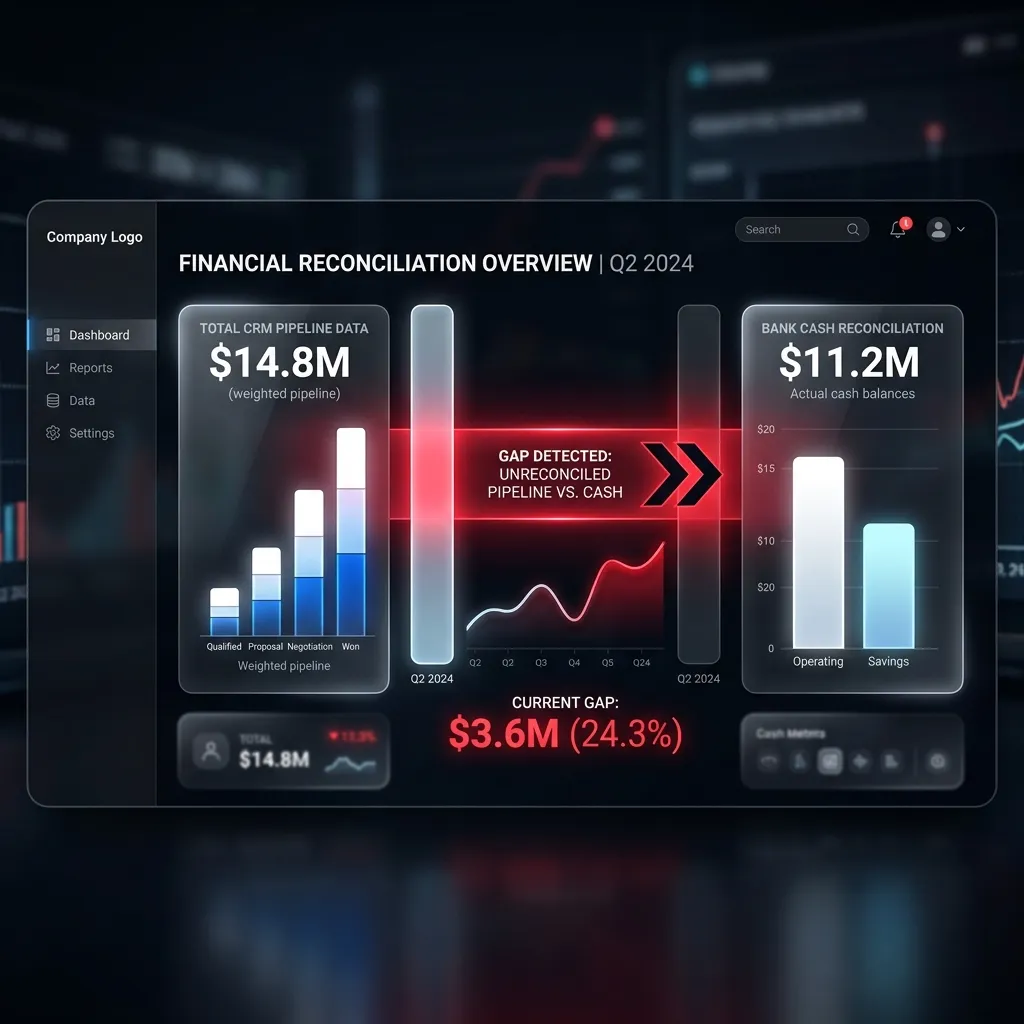
A CRM report tells you what the team believes it has sold, what should close, and what should convert into revenue. The bank tells you what actually arrived in cash. Neither view is wrong. They are just answering different questions. Reconciliation is the work of proving how one becomes the other.
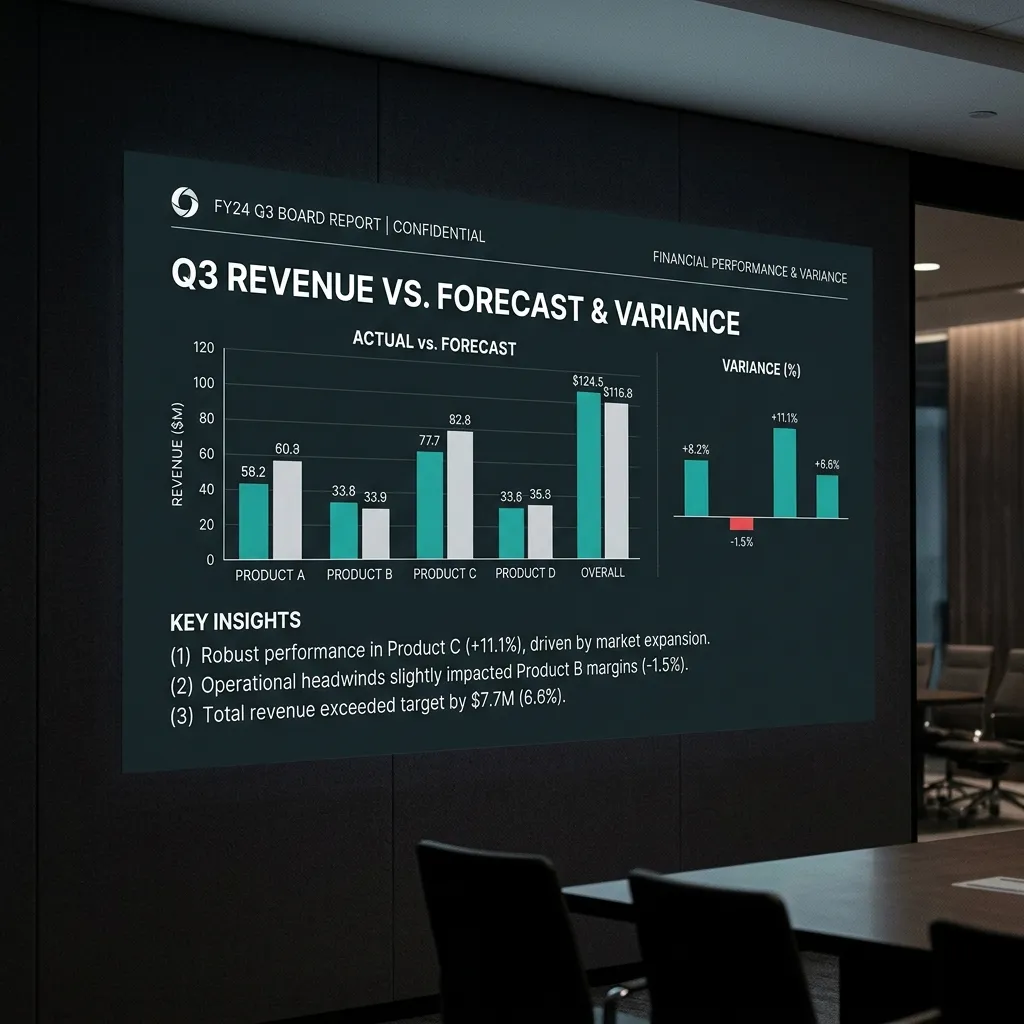
That distinction matters because many forecast misses are not pipeline-generation problems. They are conversion-to-cash problems. A deal marked closed-won in CRM may still be unsigned, delayed in implementation, discounted below forecast, credited after invoicing, or collected later than Finance assumed. If those steps are invisible, the board sees one number in CRM and a different one in the cash report, and leadership ends up explaining the gap after the fact. That gap between bookings and collected cash is the operating definition of revenue leakage.
What CRM-to-Bank Reconciliation Actually Means
A useful reconciliation review does not ask whether the dashboard looks clean. It asks whether the same deal can be followed across the operating records that matter. At minimum, that means comparing:
- Opportunity record: expected deal value, close date, owner, and segment.
- Contract record: signed date, commercial terms, billing trigger, and start date.
- Invoice record: invoiced amount, invoice date, credits, and payment terms.
- Cash record: collected amount and receipt date.
If those records do not line up, the forecast is carrying assumptions that have not been validated yet. That is a control issue, not a formatting issue.
The Three Breaks That Usually Create the Gap
Once you compare the records, the same failure modes appear repeatedly.
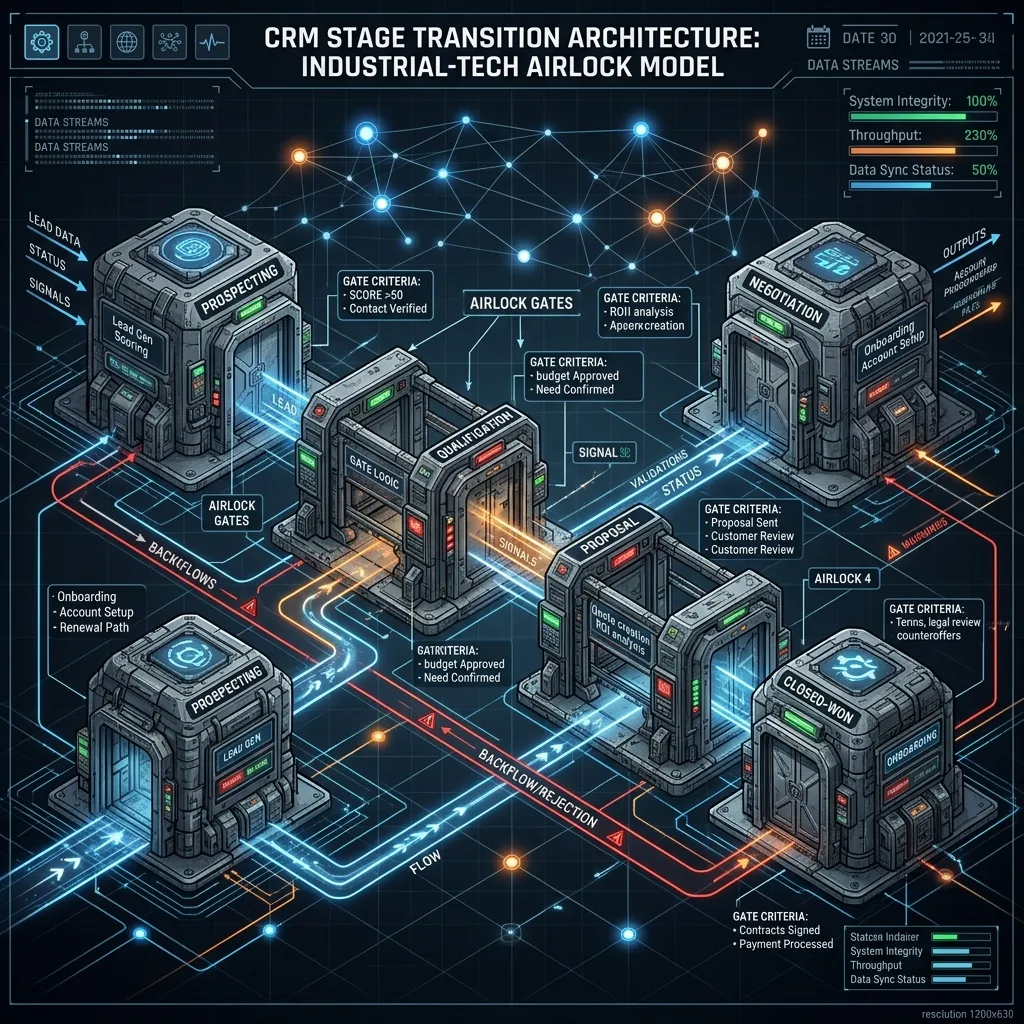
- Commercial commitment is weaker than the CRM stage suggests. The opportunity is marked won, but signature, procurement, or legal completion is still outstanding.
- Billing starts later than the forecast assumed. The contract is real, but service start, onboarding, or activation conditions delay invoicing beyond the quarter plan.
- The final value drifts. Discounts, credits, partial billing, or collections friction reduce the amount that actually reaches the invoice or the bank.
None of this is exotic. It is normal operating friction. The problem starts when the company has no shared review that forces those differences into the forecast early enough to matter.
How to Run the First Reconciliation Pass
A practical first pass is usually cohort-based. Pull recently closed deals and renewals for the last one or two quarters and compare the key dates and amounts line by line. The goal is not to create a perfect data warehouse model on day one. The goal is to locate which assumptions break most often.
- Date fields: close date, signed date, billing start date, invoice date, cash receipt date.
- Amount fields: booked value, signed value, invoiced value, collected value.
- Reason fields: delayed signature, implementation dependency, pricing change, billing error, credit, dispute, collection lag.
That review usually tells you whether the business is overstating deal certainty, overstating billing timing, or understating downstream commercial changes. Those are different problems and need different controls.
Why CSV Exports Are Usually Enough
Most teams assume reconciliation requires a large integration project. It usually does not. A first diagnostic can often be done with CRM, contract, billing, and collections exports. In fact, flat exports are often useful because they show what the business is actually operating from, not the cleaned-up version a reporting layer presents later.
The point is not to avoid systems work forever. The point is to prove where the number breaks before expanding scope. If the same closed-won cohort shows systematic lag between CRM and invoice date, the control issue is already visible.
What Changes Once the Number Is Reconciled
Reconciliation does not make the business perfect. It makes the forecast more honest. Instead of arguing about whether CRM is wrong or Finance is too conservative, the company can point to the exact place where the conversion from pipeline to billing or from invoice to cash is failing. That shortens the operating conversation and makes ownership clearer.
Free Model
What is your forecast variance actually costing you?
Run the numbers: model your quarterly revenue at risk, the cost of inaction, and how fast the fix pays back, with stage-specific benchmarks for Series A–C.
Run the ROI Model →This is also where MxM Revenue Engineering's offer sequence matters. The Scorecard shows whether the gap is in stage discipline, billing timing, commercial terms, or collections visibility. The Controls Install then moves those checks into the operating cadence so the same mismatch is caught earlier next quarter. The goal is not a dramatic slogan. The goal is a forecast the board can question without the room falling apart.
The financial impact is not one magic benchmark. It is the reduction of unexplained gaps between the booking number, the invoice number, and the cash number.
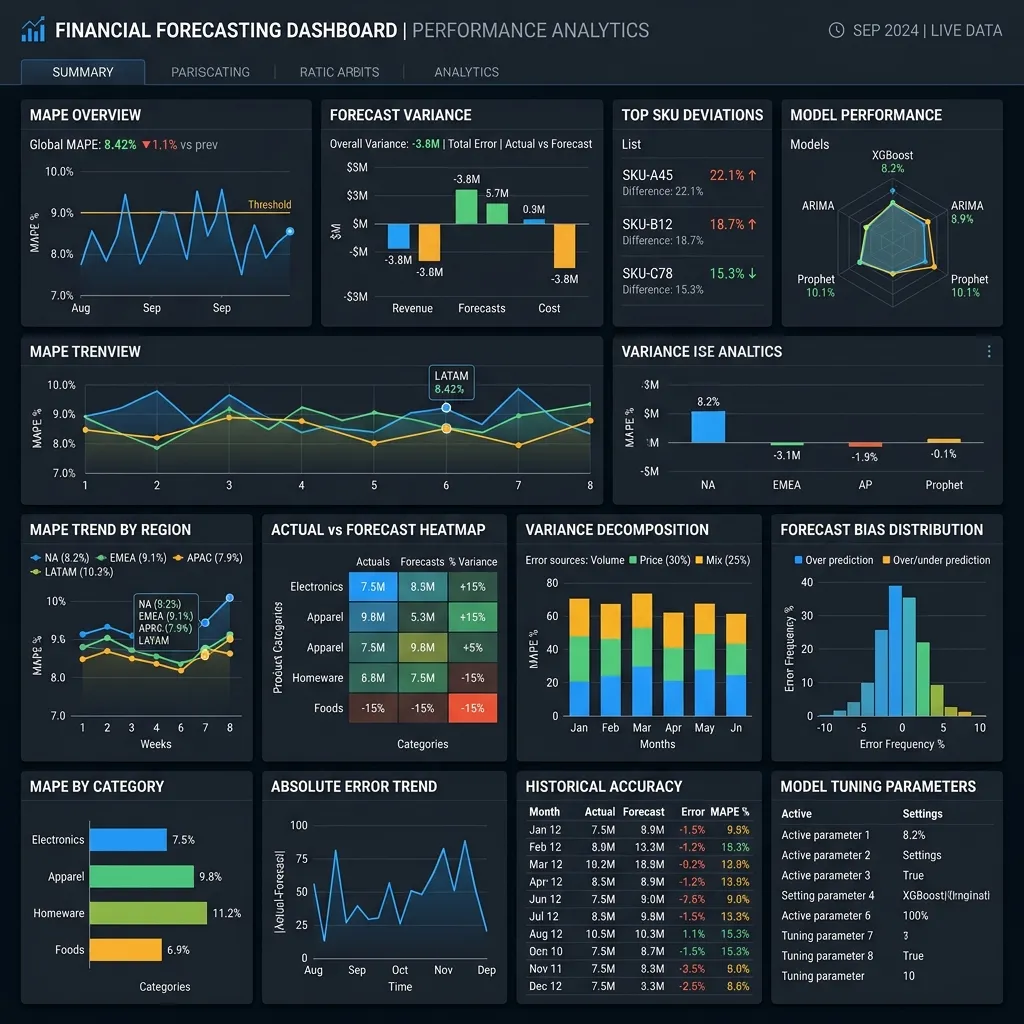
A board-defensible forecast is not a separate executive-art skill. It is the reporting expression of the same controls that govern forecast accuracy week to week. If stage definitions are loose, if renewal risk enters too late, or if billing timing is not reconciled, the board package will simply magnify those weaknesses.
That is materially more useful than learning after the quarter closes that each team was operating from a different version of the truth.