
Binary Validation
A deal is only in Stage 3 if the artifact proving Stage 3 completion exists. It is binary. True or False. If False, the deal cannot progress. Managing pipeline on "vibes" is the fastest way to miss your Q4 targets. We replace sentiment with proof.
The Proof Artifact
What constitutes proof? It is not a note saying "Client likes the demo." It is a signed business case, a completed security questionnaire, or a confirmed follow-up on the client's calendar. By building these requirements directly into the CRM's validation rules, you force the behavior you want to see. This isn't bureaucracy; it's engineering.
The Architecture of Scale
As organizations scale beyond $10M ARR, the volume of deals makes manual oversight impossible. The latency inherent in unstructured growth quickly compounds. Executive leadership often misdiagnoses this as a personnel issue, but it is purely structural. We build the architecture that allows your team to scale without the wheels falling off the data model.
As the volume grows, the issue is less about rep effort and more about whether stage movement is still governed by observable evidence. Every manual handoff increases the chance that the CRM reflects sentiment faster than it reflects verified progress. That is how a pipeline starts looking larger than the business can actually convert — and how forecast accuracy quietly degrades without a visible single-point failure.
Identifying the Breakpoints
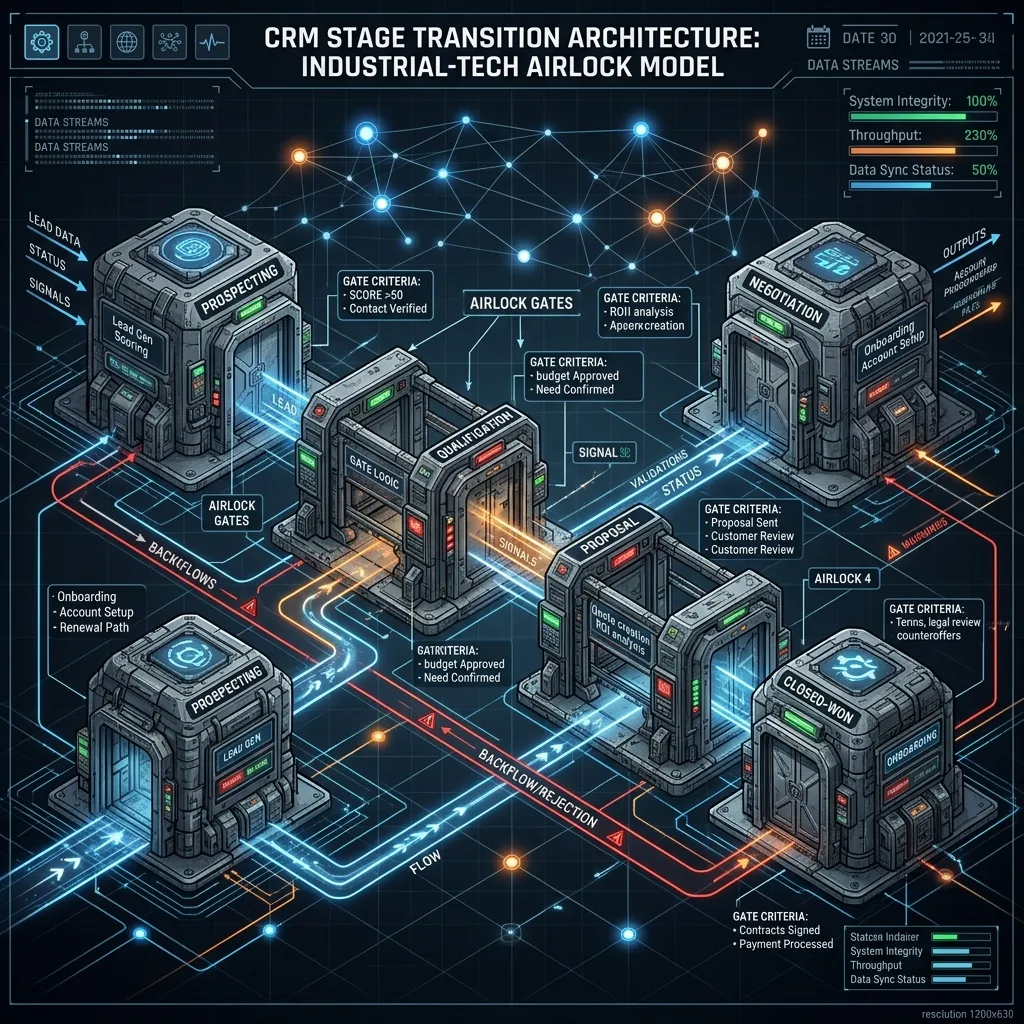
Diagnostic analysis typically reveals three primary breakpoints: Commit Latency, Provisioning Drift, and Discount Bleed. Each of these represents a failure in the handoff between stages or departments. Stage-Exit controls are the "airlocks" that ensure no contamination (bad data) moves from one stage to the next.
Each breakpoint needs a control, but not always a heavyweight platform change. Commit latency may require a mandatory proof artifact before the deal can advance. Provisioning drift may require a clearer handoff and review date. Discount bleed may require approval thresholds and an exception log. The principle is the same in each case: do not let the stage move unless the evidence moves with it.
The Manager's Burden
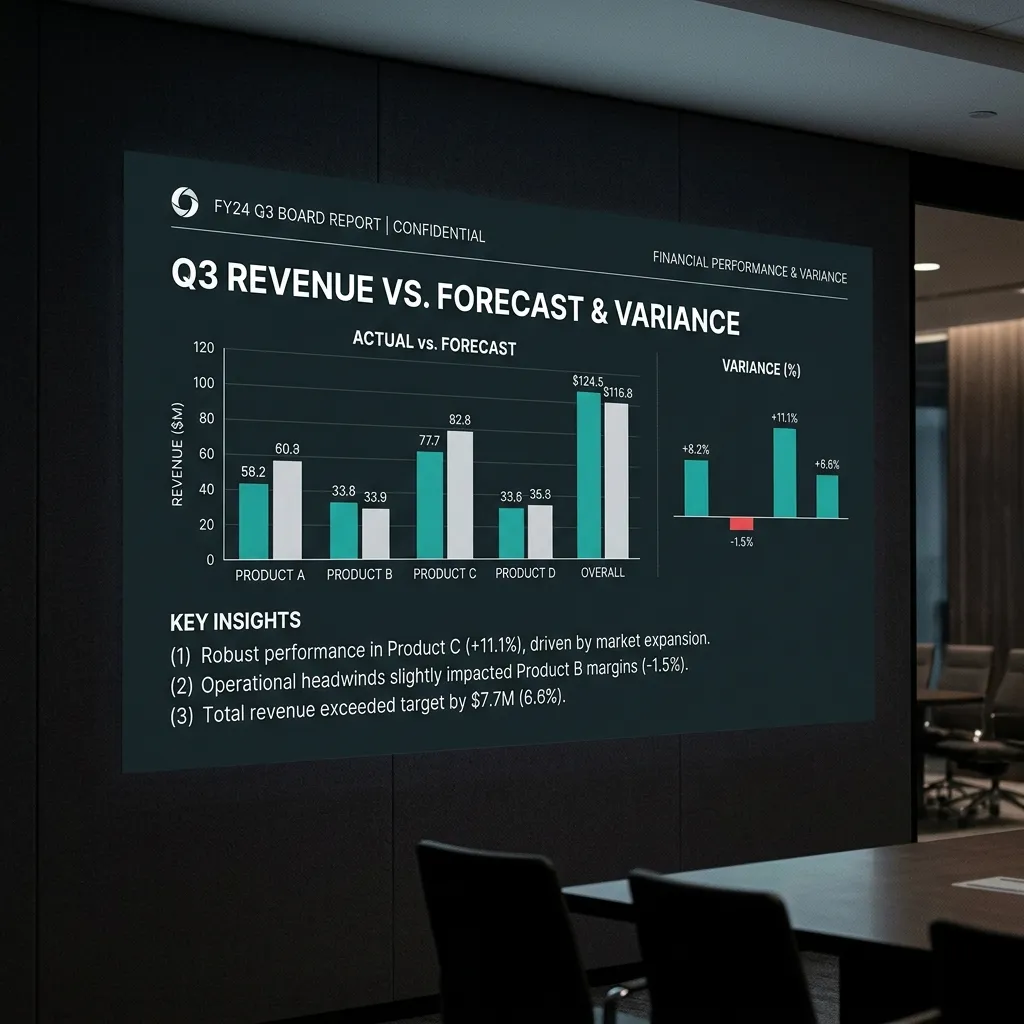
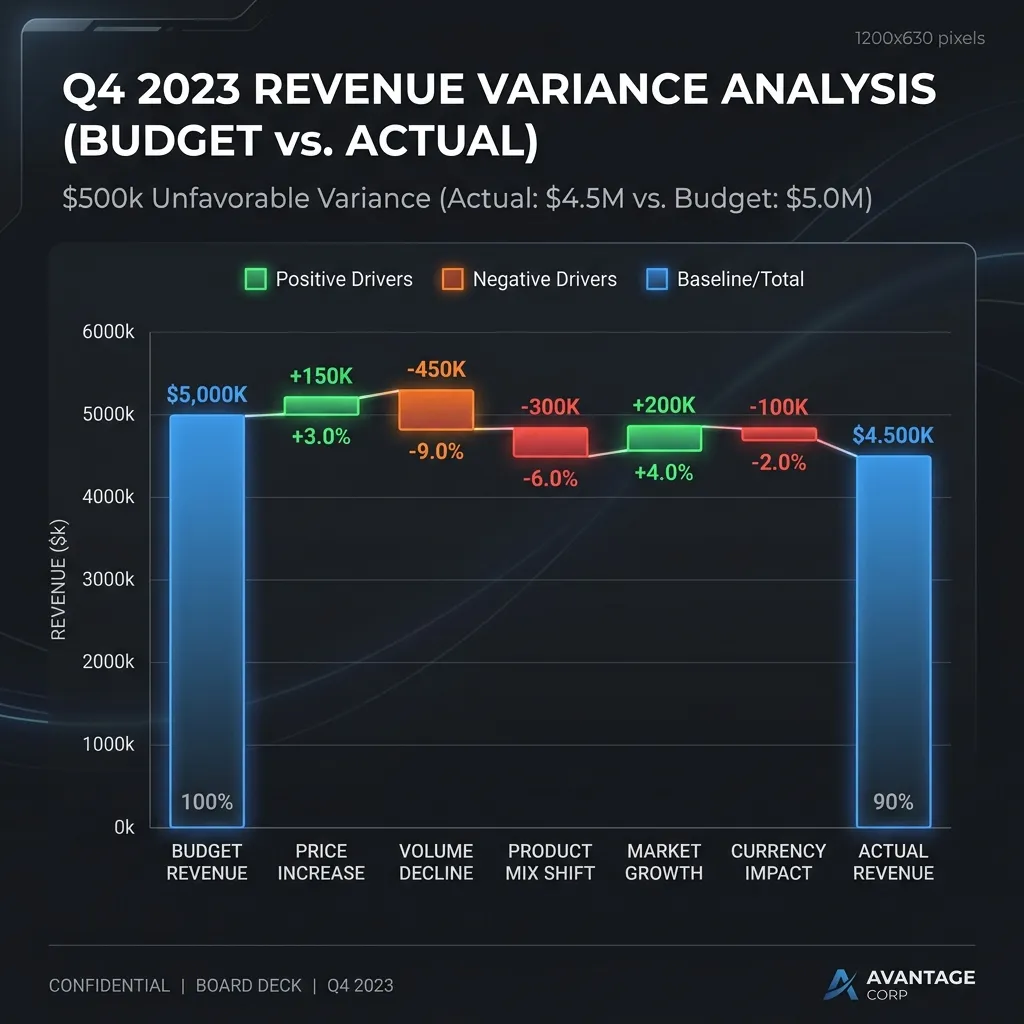
Most managers spend their time chasing reps for updates. With automated stage-exit controls, the manager is freed to actually coach. The data is either there or it isn't. The "Pipeline Review" becomes a "Strategy Review" because the data integrity is already guaranteed by the system architecture. That review discipline is also what separates a team that can explain forecast variance to the board from one that is still reconstructing what happened after the quarter closes.
What Changes After Controls Are Installed
Once stage-exit controls are active, the pipeline review changes shape. Managers spend less time chasing status updates and more time examining the deals that still have real judgment in them. The question becomes less "what stage is this in?" and more "what evidence is still missing, and who owns it?" Stage discipline also directly affects pipeline velocity: fewer unqualified deals means win rate and cycle length move in the right direction simultaneously.
That is where MxM Revenue Engineering's sequence matters. The Scorecard identifies whether the problem is stage discipline, billing timing, reconciliation logic, or reporting definition drift. Controls Install moves those checks into the operating cadence and the CRM workflow. Governance keeps the rules stable long enough for the company to trust what it is seeing. The point is not false precision. It is a pipeline that can be questioned without collapsing into opinion.
Free Tool
Model your pipeline velocity in real time
Adjust all four levers and see the quarterly and annual revenue impact of each improvement scenario, with benchmark bands for Series A, B, and C.
Open the Velocity Calculator →