
The "Inspector-Ready" Revenue Engine
In a Private Equity due diligence process, the Operating Partner is not looking at your dashboards; they are looking at your audit trails. They want to see the sustainability and repeatability of the revenue engine. This requires three levels of data integrity:
1. The ARR Waterfall (The Snowball)
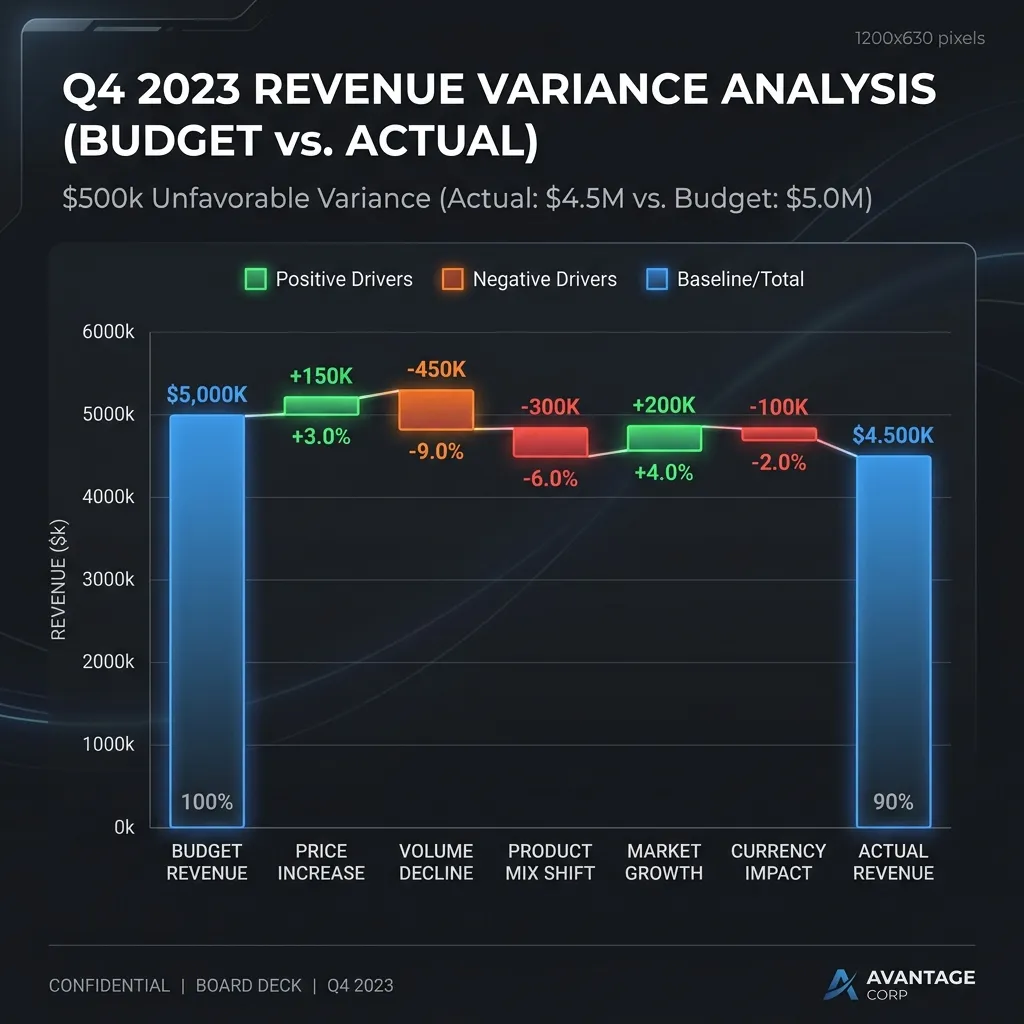
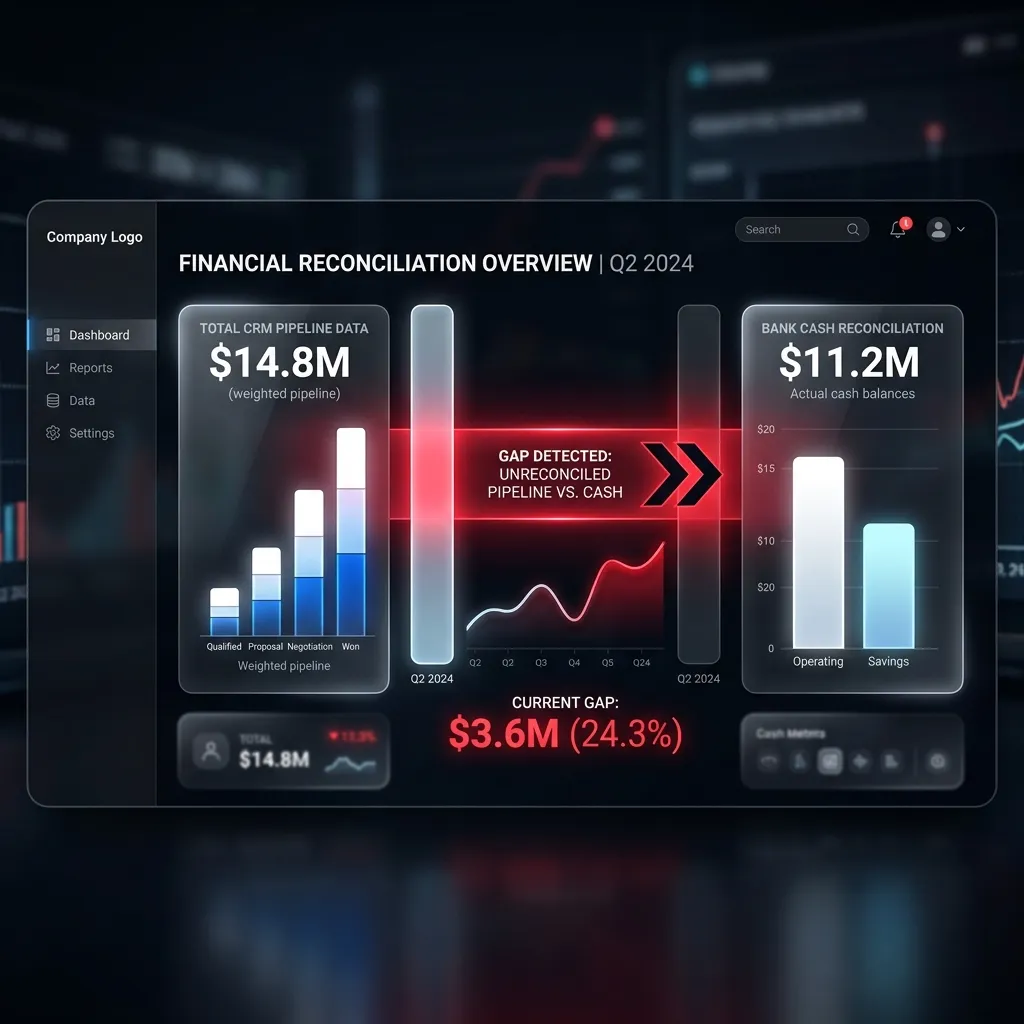
An investor-ready waterfall breaks down Period-over-Period ARR into its atomic components: New ARR, Expansion, Contraction, and Churn. Any "adjustments" line item must be backed by a forensic record. Reconciliation is the gold standard: Ending ARR from CRM must match the Beginning ARR plus all tracked changes, reconciled to the bank statement. Companies that have already run a CRM-to-bank reconciliation review will find this step materially faster to complete.
2. Pipeline Audit Trails
A static pipeline report is not enough. Diligence requires a record of how those deals moved. Key indicators of pipeline health include:
- Opportunity History: Timestamped logs of every stage change, amount edit, and close-date push. Companies with binary stage-exit controls already have this record embedded in the CRM workflow.
- Stage Duration Benchmarks: Comparing a deal's "Time in Stage" against historical averages to flag padding or stalling.
- Stage Skipping: Automated audit checks to find deals that jump from 'Qualification' to 'Closed-Won' without intermediate vetting.
3. Detecting Rep Bias
Forensic revenue engineering identifies anomalies in rep behavior that bias the forecast. Examples include "Happy Ears" (optimistic close dates) or "Pipeline Padding." By tracking rolling win rates and average cycle times at the rep level, RevOps can surface inconsistencies for review before they become quarterly misses.
Free Tool
Model your pipeline velocity in real time
Adjust all four levers and see the quarterly and annual revenue impact of each improvement scenario, with benchmark bands for Series A, B, and C.
Open the Velocity Calculator →Moving from Sales Ops to Revenue Controls
Basic Sales Ops is reactive; it produces reports after the quarter ends. Advanced RevOps Controls are proactive. Gaps between CRM bookings and billing records are one of the first indicators an operating partner will flag as a revenue leakage risk — and the size of those gaps is what determines how much of the diligence timeline is spent on explanation rather than strategy. They involve:
- Role-Based Access (RBAC): Restricting who can edit contract start dates or ARR values after a deal is won.
- Immutable Logs: Ensuring that once a stage change is recorded, the audit trail cannot be manipulated.
- Automated Validation: Guardrails in the CRM that block "impossible" data (e.g., Close Date earlier than Lead Source date).